
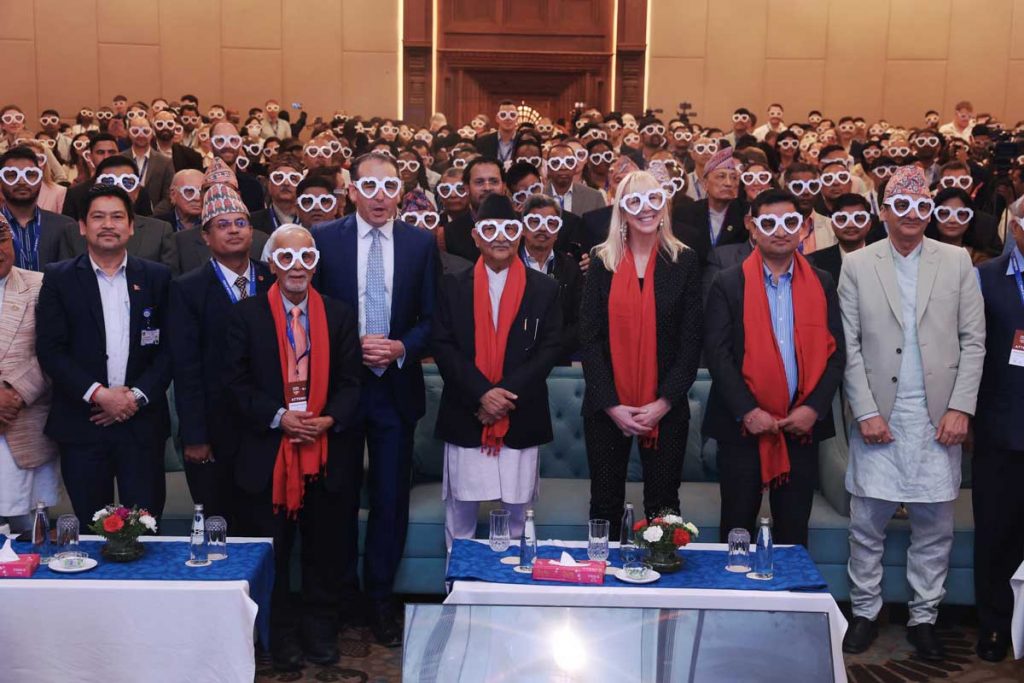
????????????? ???? ????? ????? ????????? ????????? ???? ??????????? ???? ???????????? ??????? ????? ??????????? ? ? ???? ????????? ????????? ??? ????? ??????????????? ?? ???? ?????? ‘?? ???? ?? ???? ????’ ???? ?????????????? ????????? ??????? ????? ?????? ???? ????? ?????????????? ??????????? ???????????? ??? ?????? ??????? ??????? ???????? ??????? ????? ???????? ????????? ???? ??????? ? ?????? ?????? ???? ??????????? ?????????? ?????????? ?????? ????????? ?
??????? ??? ???? ?? ???? ????? ????????? ????? ?????????? ???? ???? ? ???? ?????? ????????? ????????????? ?????????? ???? ?????? ?????? ????? ????????????? ????? ????????? ??????? ??????? ??????? ??? ???? ?????????? ???????????? ?????????? ????? ??÷?? ??? ????? ?? ??????????? ????? ??????????? ??????? ???? ????????? ? ?????? ?? ??????? ???? ??? ????? ????? ?????? ????????? ????? ?????? ?????? ??????????? ????????? ??? ??????? ?
???? ???????????? ?? ????????? ????????? ??????????? ?? ??????????? ?????? ??????? ?????? ???????? ????? ?????? ??????? ? ???? ????????? ??????? ??? ???????? ?????? ? ??????? ????? ??????? ?????? ??? ????????? ?
IN SIGHT LIVE 2030
Opening Plenary
The Right Honourable Khadga Prasad Sharma Oli, Prime Minister of Nepal
Keynote Address
Your Excellencies,
Distinguished delegates,
Honored guests,
Ladies and gentlemen,
Namaste and a very warm welcome to Nepal.
It is a privilege to open this distinguished gathering at a time of critical global reflection and determination.
As we approach the 2030 milestone for the Sustainable Development Goals, the world stands at a crossroads — confronted by overlapping crises, yet inspired by immense potential for innovation, equity, and transformation.
It is therefore fitting that we convene here in Kathmandu, a city and culture shaped by centuries of resilience, vision, and hope, to consider the future of eye health in a world of rapid change.
Today, we do not gather to speak of eye health in isolation, but to recognize it as a central force in shaping the broader arc of human development — from poverty reduction and education to gender equality and economic growth.
Nepal’s own journey reflects this truth.
As a nation deeply committed to the SDGs, we have made significant strides to ensure that no one is left behind — especially those at risk of losing their sight.
In recent years, we have achieved key milestones:
- We completed the Rapid Assessment of Avoidable Blindness in 2022, creating a robust evidence base to guide our national priorities.
- Using this data, we set bold targets in our Health Sector Strategic Plan 2023–2030 — including a commitment to double effective cataract surgical coverage from 35.4% to 70% by 2030.
We know that ambition alone is not enough — we must pair it with integration and innovation.
That is why Nepal endorsed a new National Eye Health Strategy, prioritising the integration of eye health into our primary health care system and essential services.
Eye health is no longer seen as a vertical programme — it is part of our public health infrastructure.
We are committed to translating this into action.
- We have introduced school-based vision screening and launched a School Nurse Programme that includes eye health as a core component of student well-being — advancing both gender equality and access to education in line with SDGs 4 and 5.
- We’ve conducted a nationwide assessment using the WHO ECSAT II tool and are now integrating eye health into our national health insurance programme — reducing financial barriers and increasing equity of access.
- Most critically, we are embedding eye health indicators into our national Health Management Information System — making it a core metric of progress.
Ladies and gentlemen,
These are not small efforts. They are part of a larger recognition — that eye health is development.
Without clear sight, a child may drop out of school. A parent may be unable to care for their family – placing that burden onto others. An elder may lose independence. A worker may lose livelihood.
These realities ripple across our economy, our education systems, and our communities.
Eye health directly and indirectly impacts across most of the Sustainable Development Goals — from ending poverty and hunger to reducing inequalities and promoting climate resilience.
In Nepal, we have included eye health in our Voluntary National Review for precisely this reason.
We see the evidence, we see the urgency, and that which gets measured gets done.
We also see the opportunity.
The eye health sector is rich with innovation — from new diagnostics and treatment delivery models to partnerships that bridge health, technology, and development.
But we must do more to scale and sustain these innovations where they are needed most.
We must also ensure that these efforts are inclusive. Let this gathering reaffirm our collective commitment to equity — and to ensuring that vision is a right, not a privilege.
But Nepal cannot walk this path alone. Nor can any country.
This is why the world must come together — not in words, but in unity, action, and shared responsibility.
And so, today, I am proud to reaffirm Nepal’s full support for the 2026 Global Summit for Eye Health.
This Summit will serve as a vital platform to galvanise global and national action to end avoidable sight loss, and ensure that everyone everywhere has access to quality eye care.
With attention and resources being pulled in every direction, we are conscious that efforts need to be redoubled in order that we don’t lose this golden opportunity to develop this agenda and ensure eye health remain a priority.
Nepal is committed to being part of this journey. We will contribute our experiences, our partnerships, and our political will to support the success of this global movement.
Excellencies, friends,
As we look to the decade ahead, and the final stretch toward the Sustainable Development Goals, we are called to a greater ambition — to match our promises with action, and our shared values with lasting results.
The path to 2030 may be complex, but our direction is clear. Let us work together to realize a world where every person — regardless of income, geography, age, or gender — can access the eye care they need to thrive.
Nepal stands ready to collaborate, to learn, and to lead.
Together, let us make 2030 not just a deadline, but a turning point — toward a future that is more inclusive, more equitable, and yes — more visible.
Thank you.
Dhanyabad.